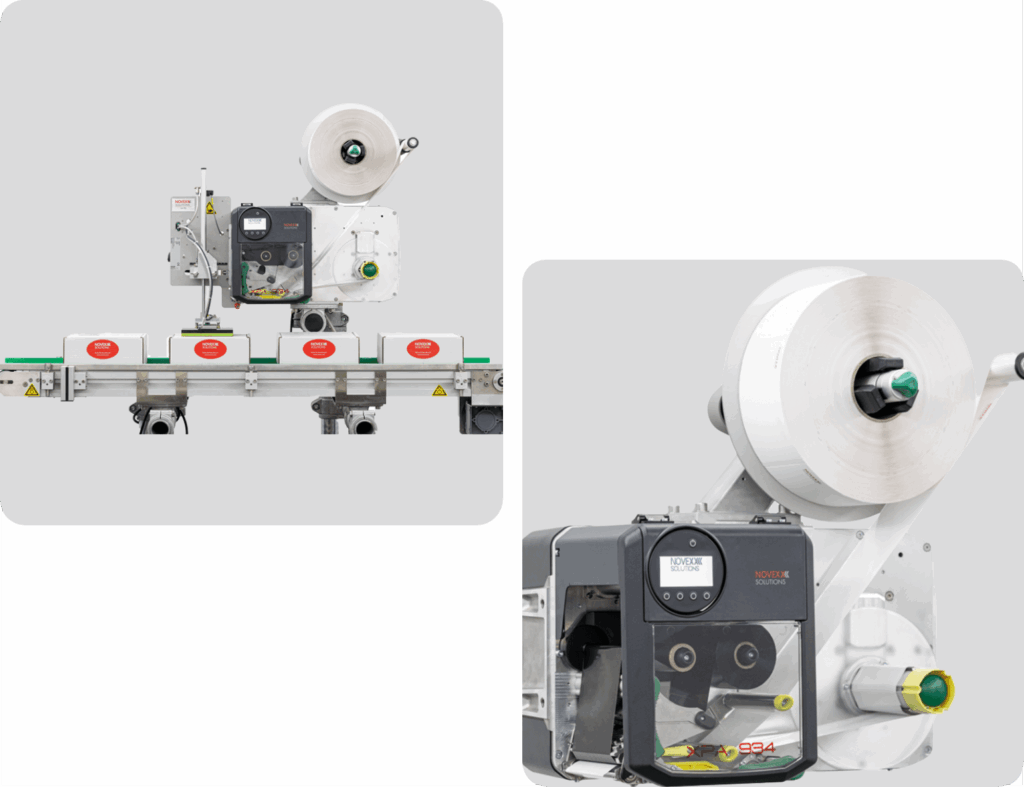
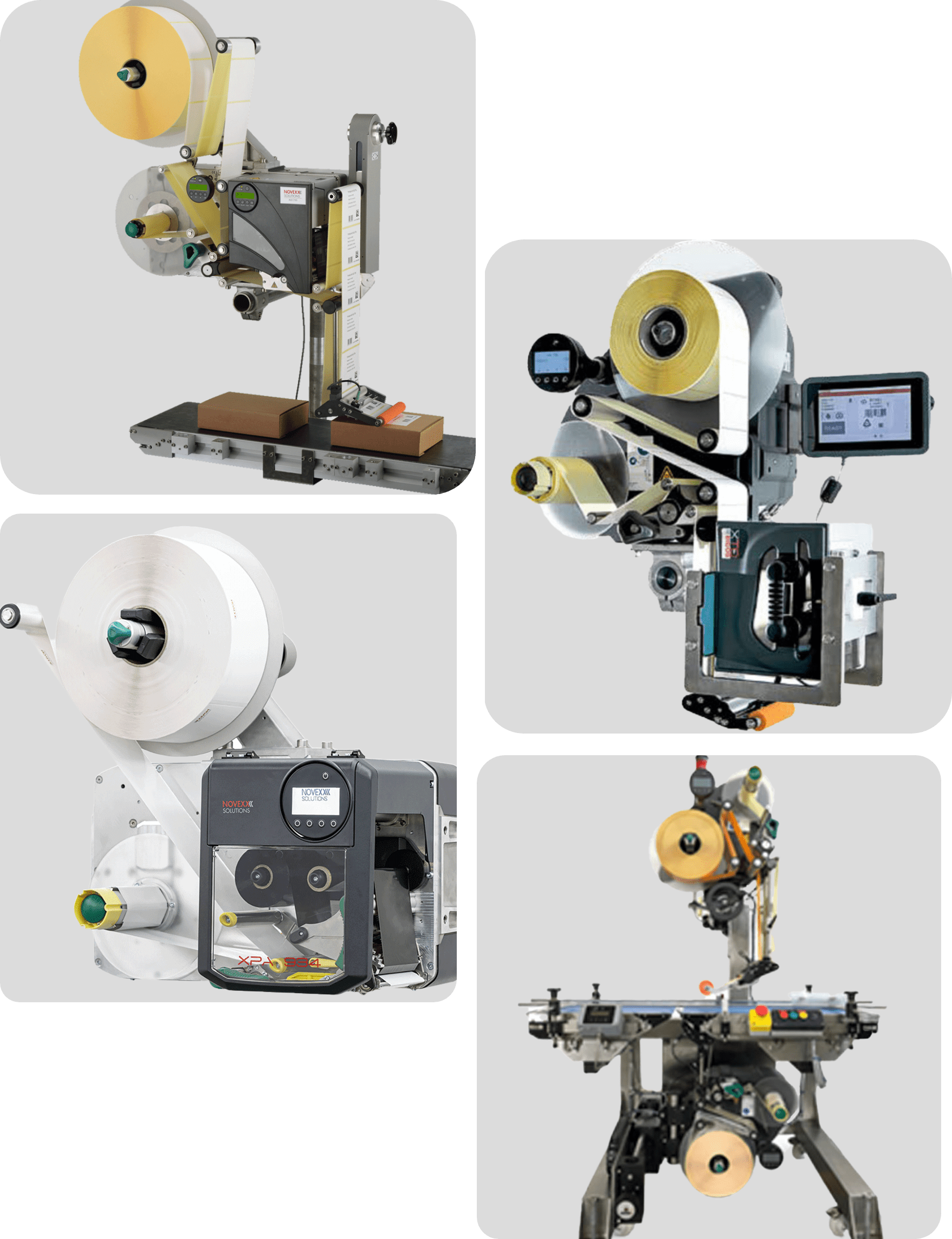
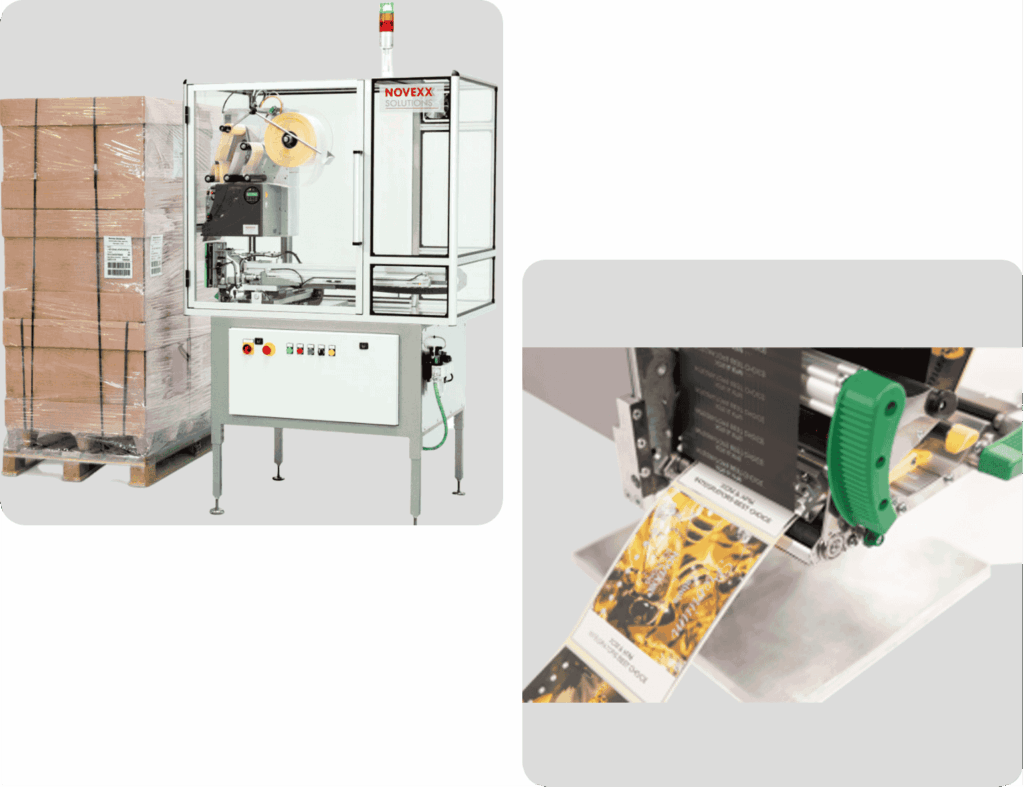
“Print & Apply” is a process used in industrial and commercial settings where labels are printed on demand and automatically applied to products, cartons, or pallets — all in a single step. How It Works:
Print – A printer generates a label (typically with barcodes, RFID, text, or graphics).
Apply – A mechanical applicator immediately affixes the label to the product.
This process is fully automated and often integrated into production or packaging lines.
TEAMLIFTSS
Where It's Used
Manufacturing
For labeling finished goods with serial numbers, product info, and compliance tags.
Warehousing & Logistics
Carton and pallet labeling for outbound shipments.
Real-time labeling for tracking and scanning.
Retail & Consumer Goods
Shelf-ready packaging with custom labels.
Variable data printing (e.g., pricing, expiry dates).
Pharmaceuticals
Precision labeling for compliance and safety.
Tamper-evident or serialized labeling.
Food & Beverage
Date coding, batch numbers, barcodes on packaging.
Teamliftss
Modern Trends industry.
QR Codes: A form of 2D barcode used for mobile payments, marketing, menus, and more.
Smartphones as Scanners: Apps and built-in cameras can now scan barcodes easily.
RFID vs. Barcode: In some cases, RFID is replacing barcodes for faster scanning and non-line-of-sight reading.
Benefits of Print & Apply Systems
Automation: Reduces manual labor and errors Speed: High throughput for large operations Flexibility: Real-time, on-the-fly label generation Accuracy: Consistent placement and high scanability Compliance: Meets GS1, FDA, and other regulatory standards.
Integration with RFID and Barcodes:
Modern Print & Apply systems can encode RFID tags as part of the print job, enabling dual barcode + RFID tracking for robust logistics
Types of Application Methods:
Method
Description
Tamp
Label is pressed onto the surface using a pad
Wipe
Label is wiped onto moving products
Blow
Label is “blown” onto the product using air pressure