TEAMLIFTSS
AGV &
AMRs
AGVs & AMRs in Today’s World: Intelligent Material Movement
What is AGV & AMRs?
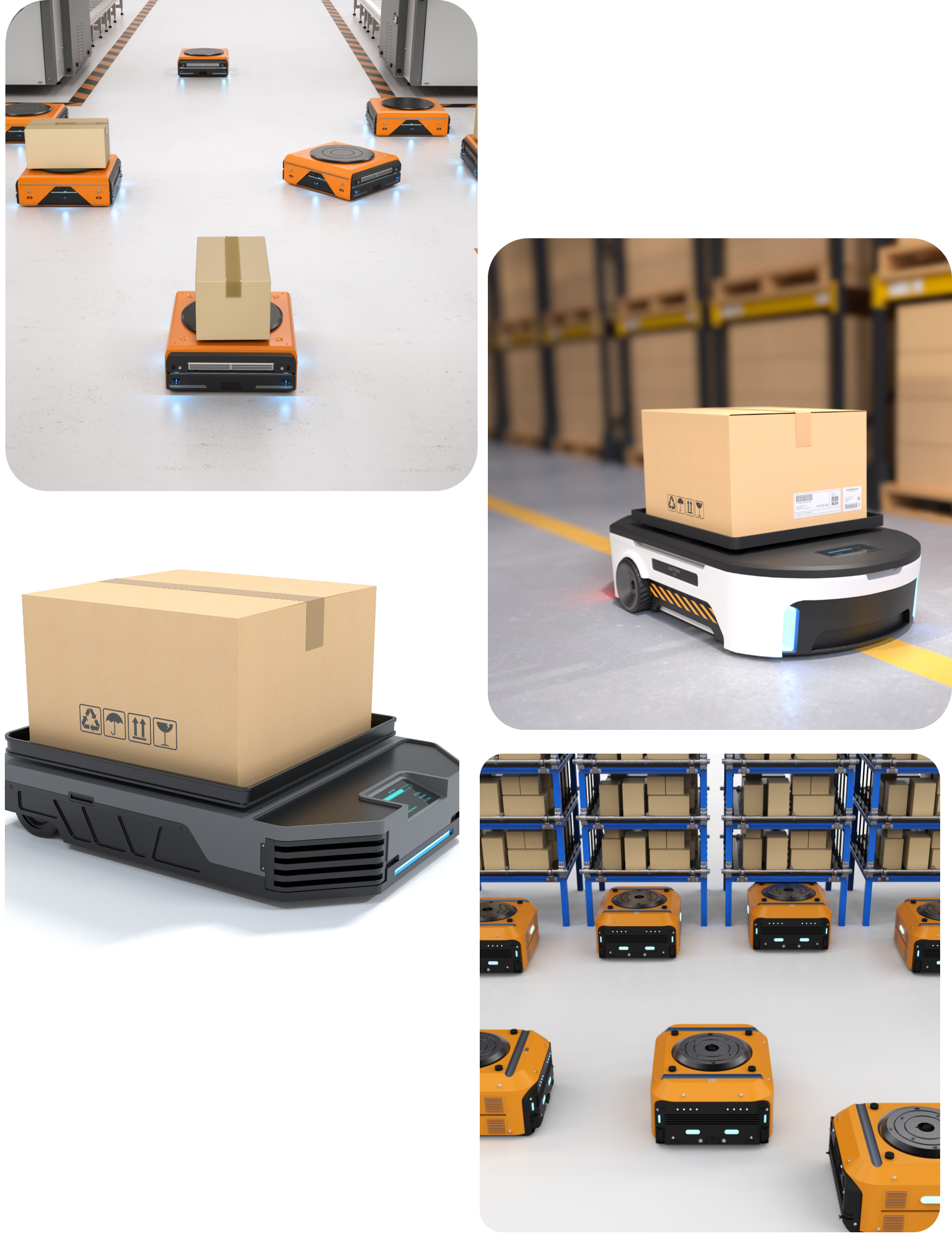
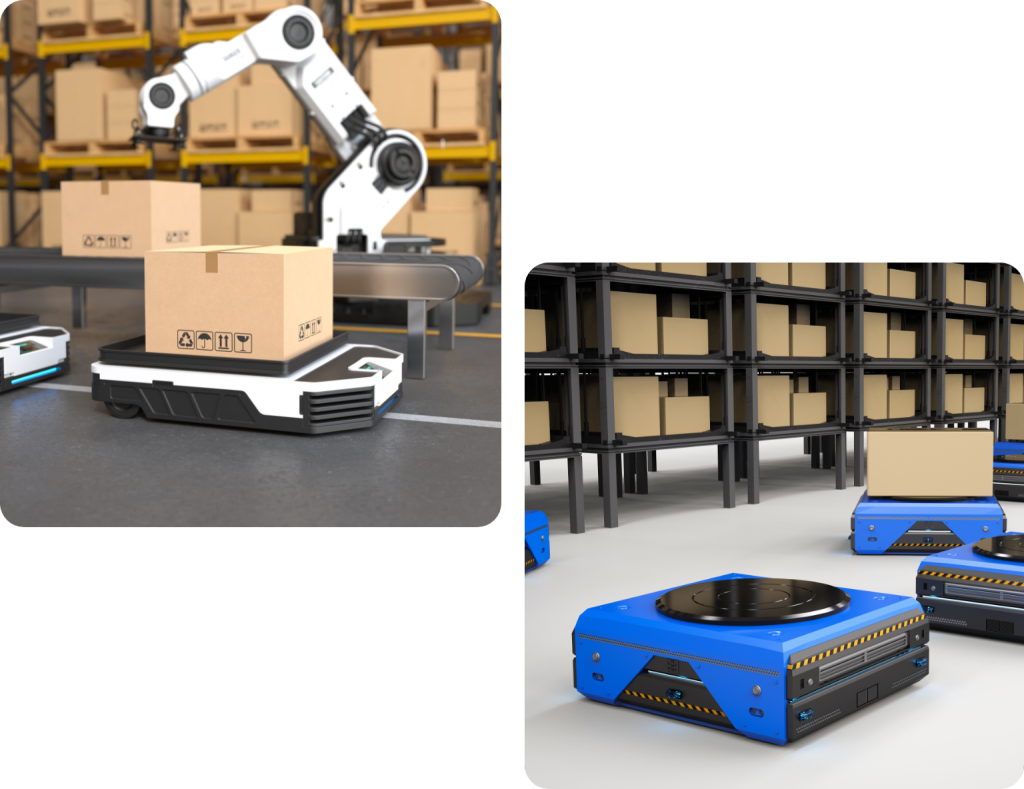
In today’s fast-paced industrial and logistics environments, AGVs (Automated Guided Vehicles) and AMRs (Autonomous Mobile Robots) have become game-changers in automating internal transport, reducing manual labor, and increasing operational efficiency.
What’s the Difference Between AGV and AMR?
| Feature | AGV (Automated Guided Vehicle) | AMR (Autonomous Mobile Robot) |
| Navigation | Follows fixed paths (tapes, magnets, wires) | Dynamic navigation using sensors & maps (SLAM) |
| Flexibility | Rigid – route changes require reprogramming | Highly flexible – adapts in real-time |
| Obstacle Handling | Stops if blocked | Re-routes around obstacles intelligently |
| Setup Cost | Higher (infrastructure-heavy) | Lower (little or no infrastructure required) |
| Use Case | Repetitive, high-volume tasks | Dynamic, collaborative, and agile environments |
TEAMLIFTSS
Where AGVs & AMRs Are Used
Today
Manufacturing
- Parts transport between workstations
- Just-in-time (JIT) delivery of components
- Finished goods movement to packaging or shipping
Warehousing & Logistics
- Automated picking and put away
- Order consolidation
- Pallet transport to dock doors
- Integration with WMS and ERP systems
Retail & E-commerce (e.g., Amazon, Flipkart)
- Goods-to-person picking (AMRs bringing racks to pickers)
- Inventory audits using AMRs with cameras
- Last-mile fulfillment center automation
Healthcare
- Transport of medication, samples, food trays, and linens
- Reduces cross-contamination and staff workload
Airports & Public Spaces
- Baggage handling (AGVs)
- Autonomous cleaning robots (AMRs)
- Mobile wayfinding and delivery robots
Teamliftss
Key Technologies Behind
AGVs & AMRs
- LIDAR / SLAM (Simultaneous Localization and Mapping)
- Machine Vision & Obstacle Detection
- Cloud/Edge AI for route optimization
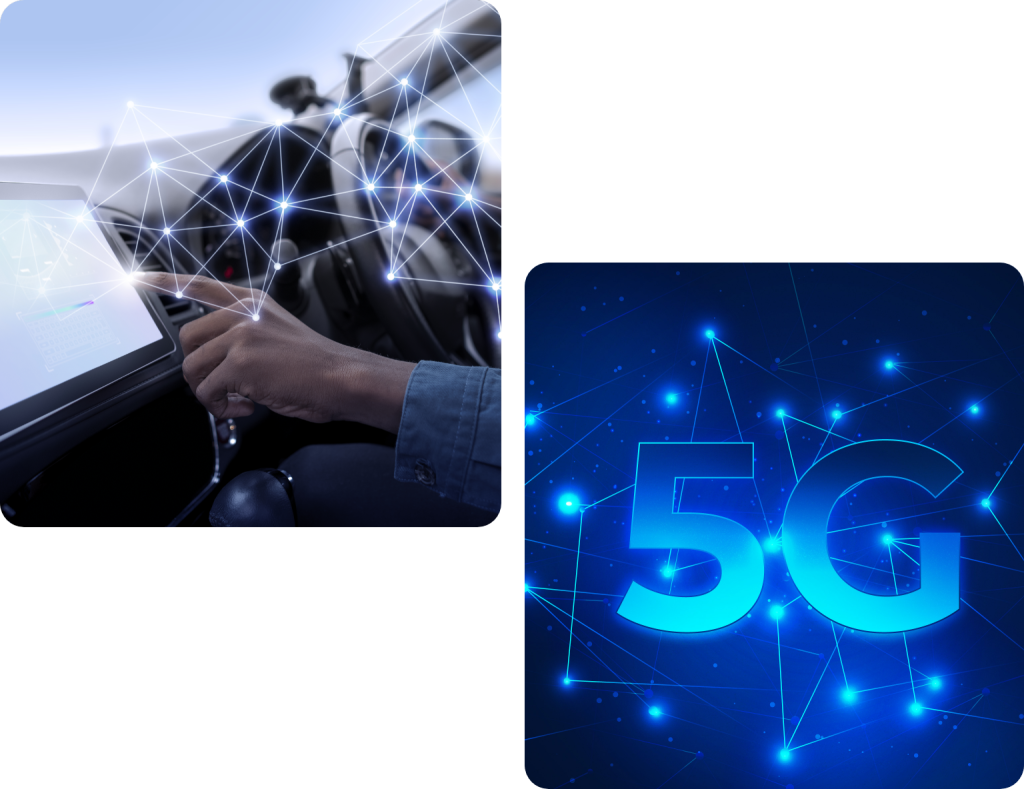
- 5G or Wi-Fi communication for real-time updates
- Battery management & auto-docking charging stations
Emerging Trends
Swarm Robotics: Coordination among many robots
AI-powered fleet management platforms
Human-robot collaboration in shared workspaces
Integration with IoT and smart factory systems
Voice and gesture command interfaces
Benefits of AGVs & AMRs
24/7 operation, increasing throughput
Reduces labor costs and injuries
Smart, data-driven logistics
Minimizes downtime and delays
Scalable for businesses of any size