
Automotive Assembly Line
Abstract
This contribution deals with the business value of implementing Poke Yoke in Air Bag Management system using Barcode & allied technology.
We present a case study of the project implemented at the plant of a major producer of Passenger Vehicles for the domestic & international market.
The Project shows that operational efficiency gains through the automation in tracking the operations and implementing poke yoke at various fitment stations of the air bag components assembly line. i.
The unfinished vehicles pass through the various stations where a particular air bag component is fitted and the system designed ensures that each part that is fitted in the vehicle is checked and validated by scanning of the barcode in the part.

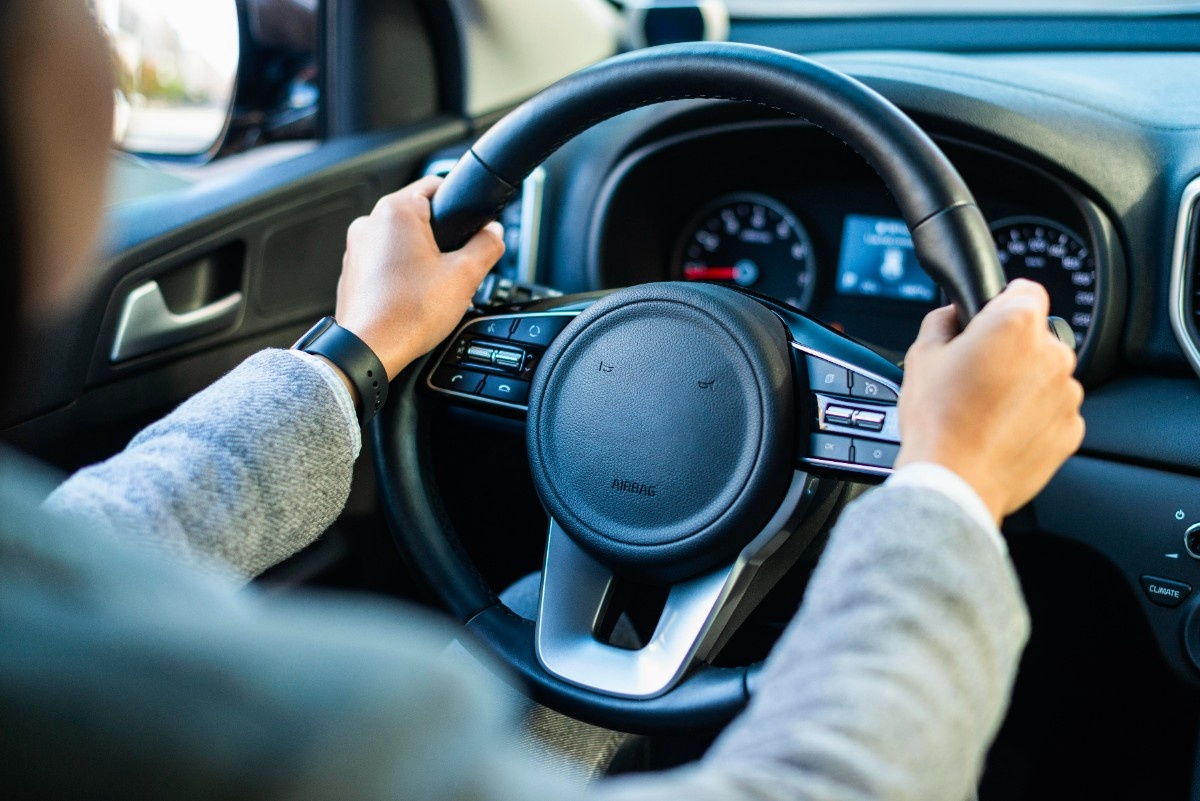
Airbag systems are critical safety components in modern vehicles, and their correct installation is essential to ensure passenger safety. Errors in airbag assembly can lead to catastrophic failures, recalls, and legal liabilities. To prevent defects, Poka-Yoke (Error-Proofing) techniques are implemented in the assembly line.This case study examines how an Airbag Management System (AMS) integrated with Poka-Yoke ensures zero-defect assembly in an automotive production line..
Challenges :
Incorrect Installation
Misalignment or improper fastening of airbags.
Missing Components
Forgetting to install screws, sensors, or wiring.
Wrong Part Usage
Installing incorrect airbag variants (driver-side vs. passenger-side).
Torque Issues
Under-tightened or over-tightened bolts leading to malfunctions
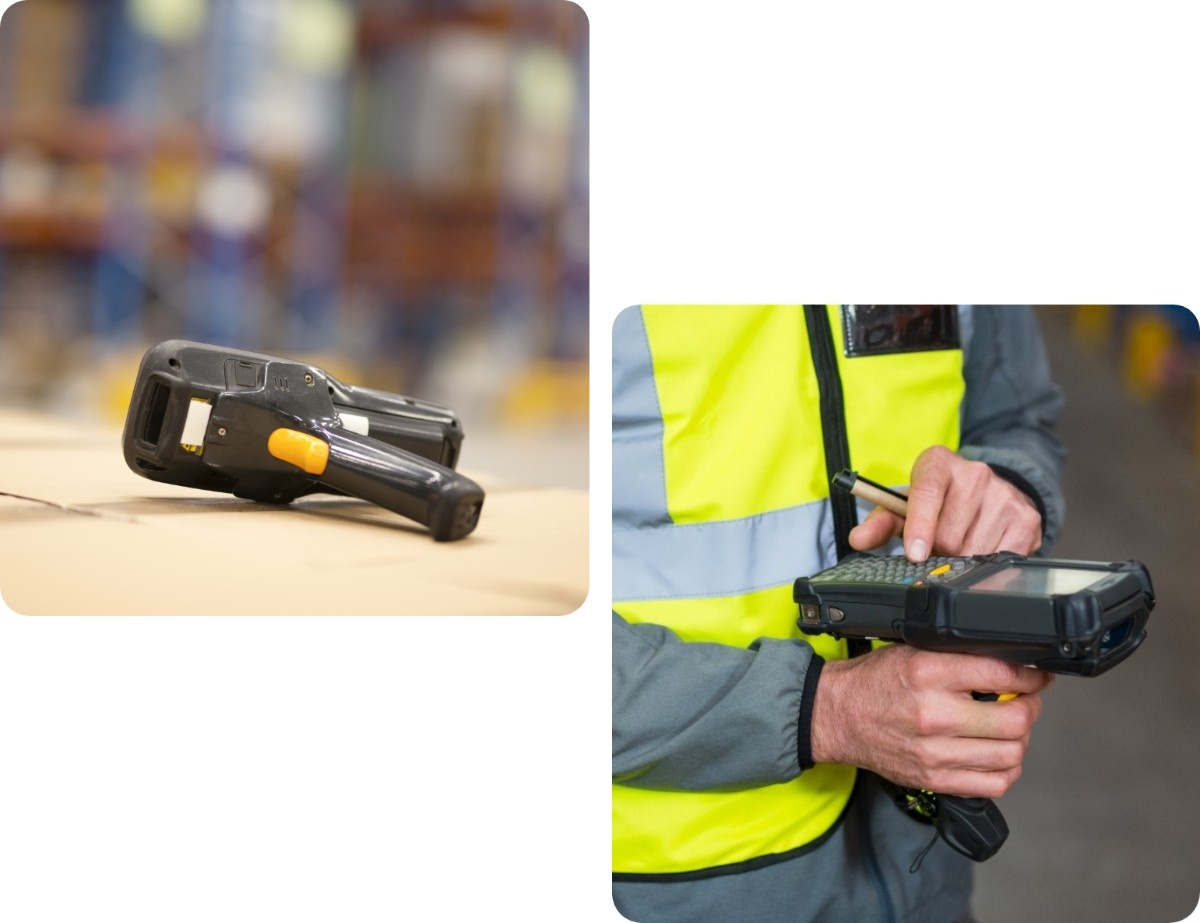
Barcode Scanning for Correct Part Verification
Poka-Yoke Mechanism: Each airbag module has a unique barcode/RFID tag.
Implementation:
The assembly line scanner reads the barcode before installation.
The system cross-checks with the Vehicle Identification Number (VIN) to ensure the correct airbag variant is used.
If a mismatch is detected, the line stops, and an alert is triggered.
Weight & Pressure Sensors for Missing Components
Poka-Yoke Mechanism: Sensors verify proper airbag placement.
Implementation:
A weight sensor confirms the airbag is present before proceeding.
A pressure sensor ensures the airbag is seated correctly in the steering wheel/dashboard.
If missing or misaligned, the system halts the process.
Automated Torque Control for Fasteners
Poka-Yoke Mechanism: Smart torque guns with force feedback.
Implementation:
The torque wrench only operates if the correct bolt is engaged.
The system logs torque values and rejects assemblies outside the specified range.
Vision Systems for Alignment & Orientation Check
Poka-Yoke Mechanism: AI-powered cameras inspect airbag positioning.
Implementation:
Cameras verify that the airbag is oriented correctly (no upside-down installation).
Detects missing screws or improper gaps.
Sequential Locking Mechanism
Poka-Yoke Mechanism: The workstation does not proceed until all checks are complete.
Implementation:
The next assembly stage is locked until the AMS confirms successful installation.
Prevents operators from skipping steps.
- 100% correct part verification
- Real-time defect detection
- Full traceability & compliance
This case study demonstrates how error-proofing is essential in safety-critical automotive components, ensuring reliability and customer trust. Zero Defects: Poka-Yoke eliminated human errors in airbag installation. Cost Savings: Reduced warranty claims and recalls. Regulatory Compliance: Ensured adherence to FMVSS (Federal Motor Vehicle Safety Standards).