Barcodes play a vital role in today’s world across almost every industry.
What is a Barcode?
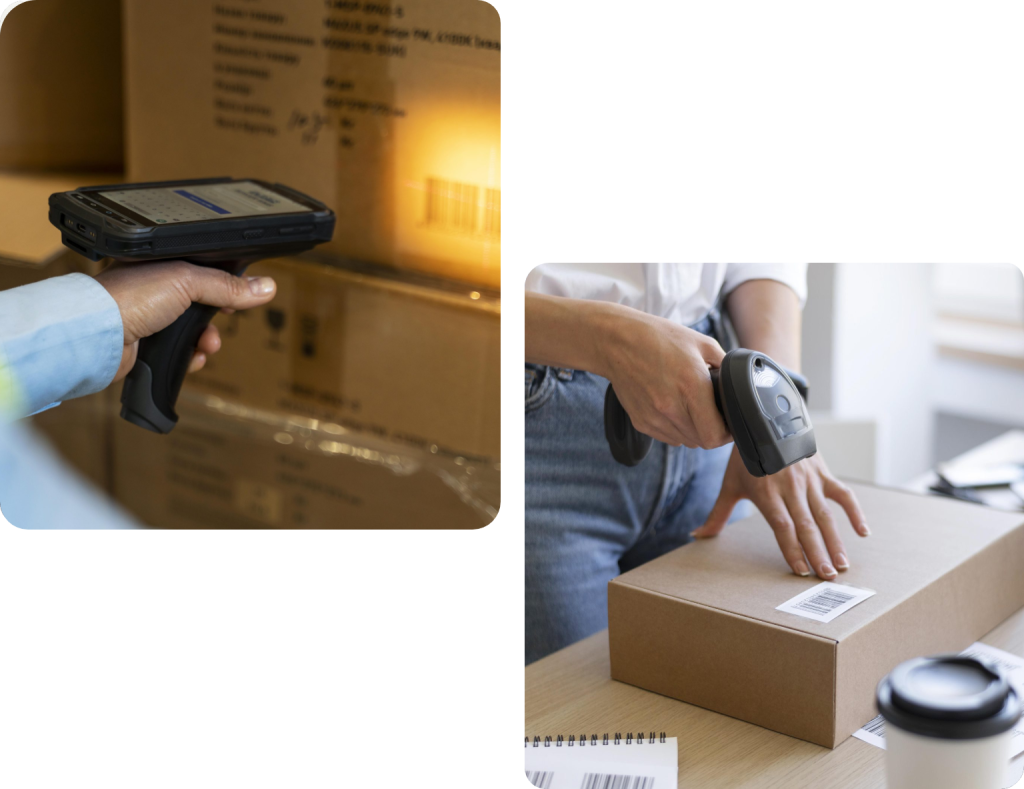
A barcode is a machine-readable representation of data, typically in the form of numbers and lines (1D) or patterns (2D, like QR codes). It stores information about a product or item that can be retrieved using a scanner.
TEAMLIFTSS
Where Are Barcodes Used Today?
Retail & E-commerce
Product identification and pricing
Inventory management
Faster checkout systems
Integration with POS (Point of Sale) systems
Healthcare
Patient ID tracking
Medication management
Medical equipment tracking
Reducing medical errors
Logistics & Supply Chain
Tracking shipments and deliveries
Warehouse automation
Real-time inventory visibility
Manufacturing
Quality control
Tracking parts through production
Monitoring maintenance and repairs
Libraries & Education
Book cataloging
Student IDs
Attendance systems
Airports & Travel
Boarding passes
Baggage tracking
Identity verification
Teamliftss
Types of RFID
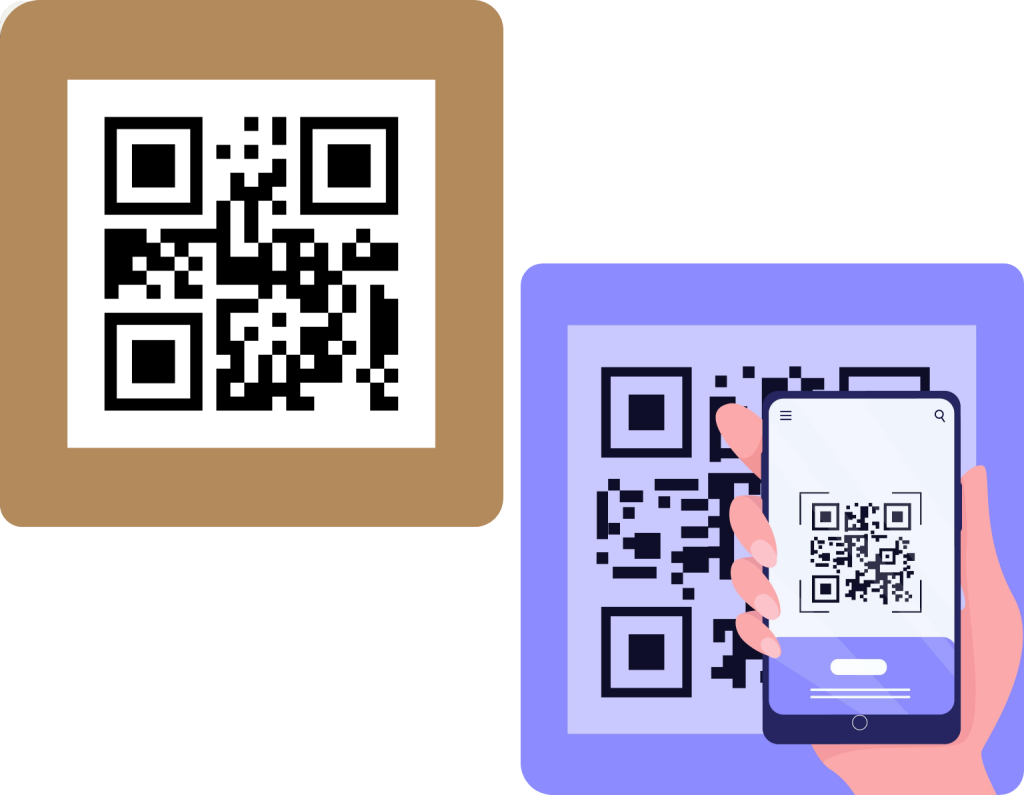
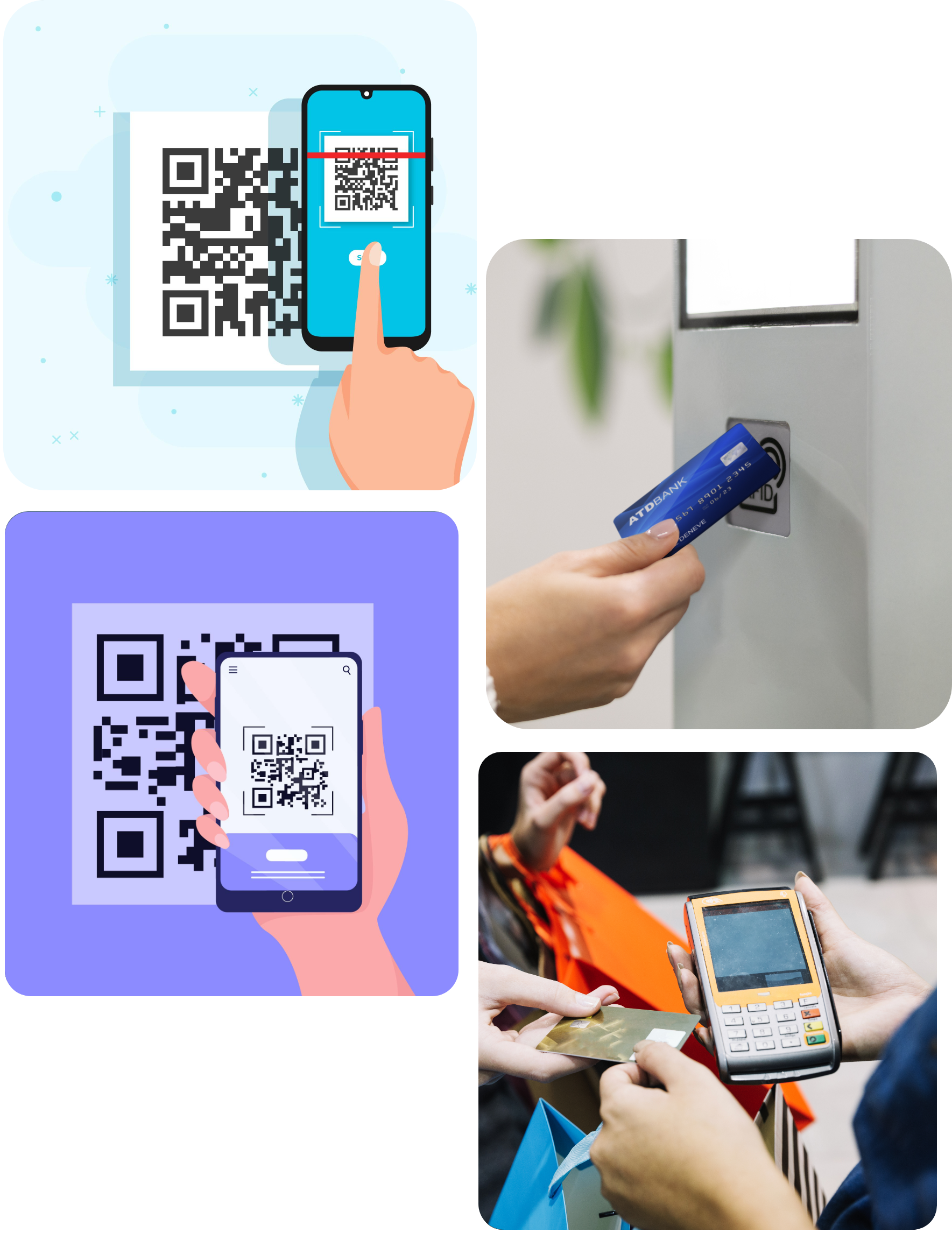
QR Codes: A form of 2D barcode used for mobile payments, marketing, menus, and more.
Smartphones as Scanners: Apps and built-in cameras can now scan barcodes easily.
RFID vs. Barcode: In some cases, RFID is replacing barcodes for faster scanning and non-line-of-sight reading.
Benefits of Barcodes
• Speed and accuracy in data entry • Cost-effective and easy to implement • Reduces human error • Enables automation and data tracking