Drones in Today’s World: From Toy to Transformative Tech
Drones or Unmanned Aerial Vehicles (UAVs) — have evolved rapidly from recreational gadgets to highly capable tools used in industries ranging from agriculture to defense, logistics, filmmaking, and public safety.
What Is a Drone?
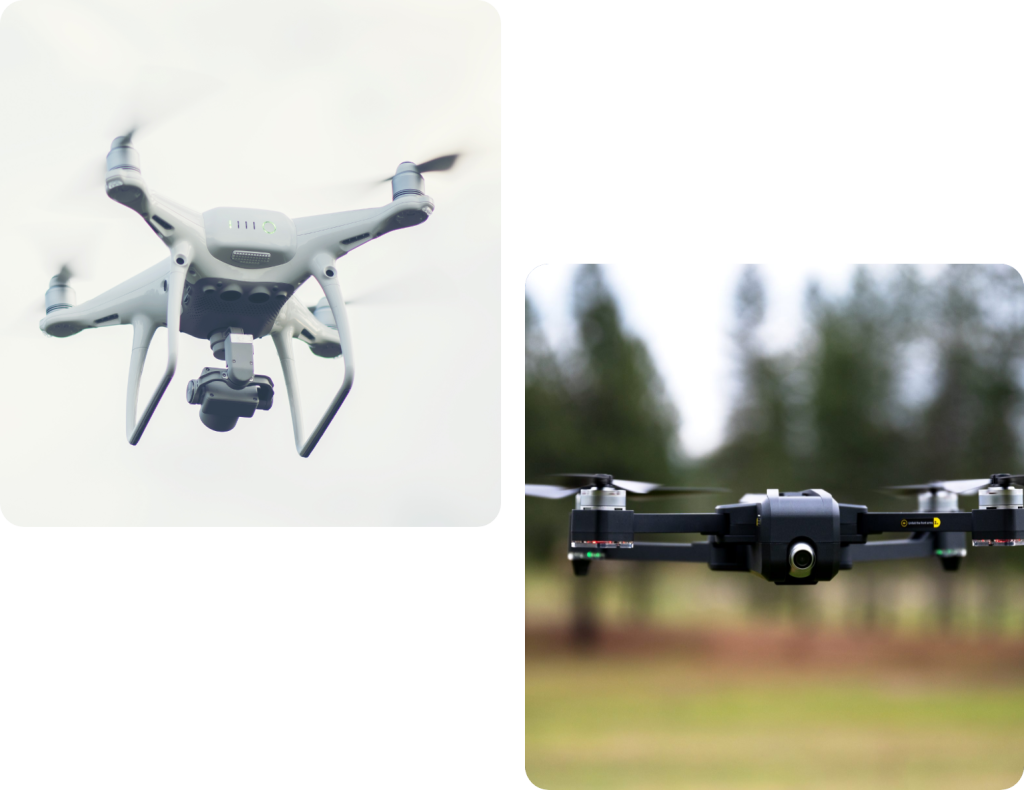
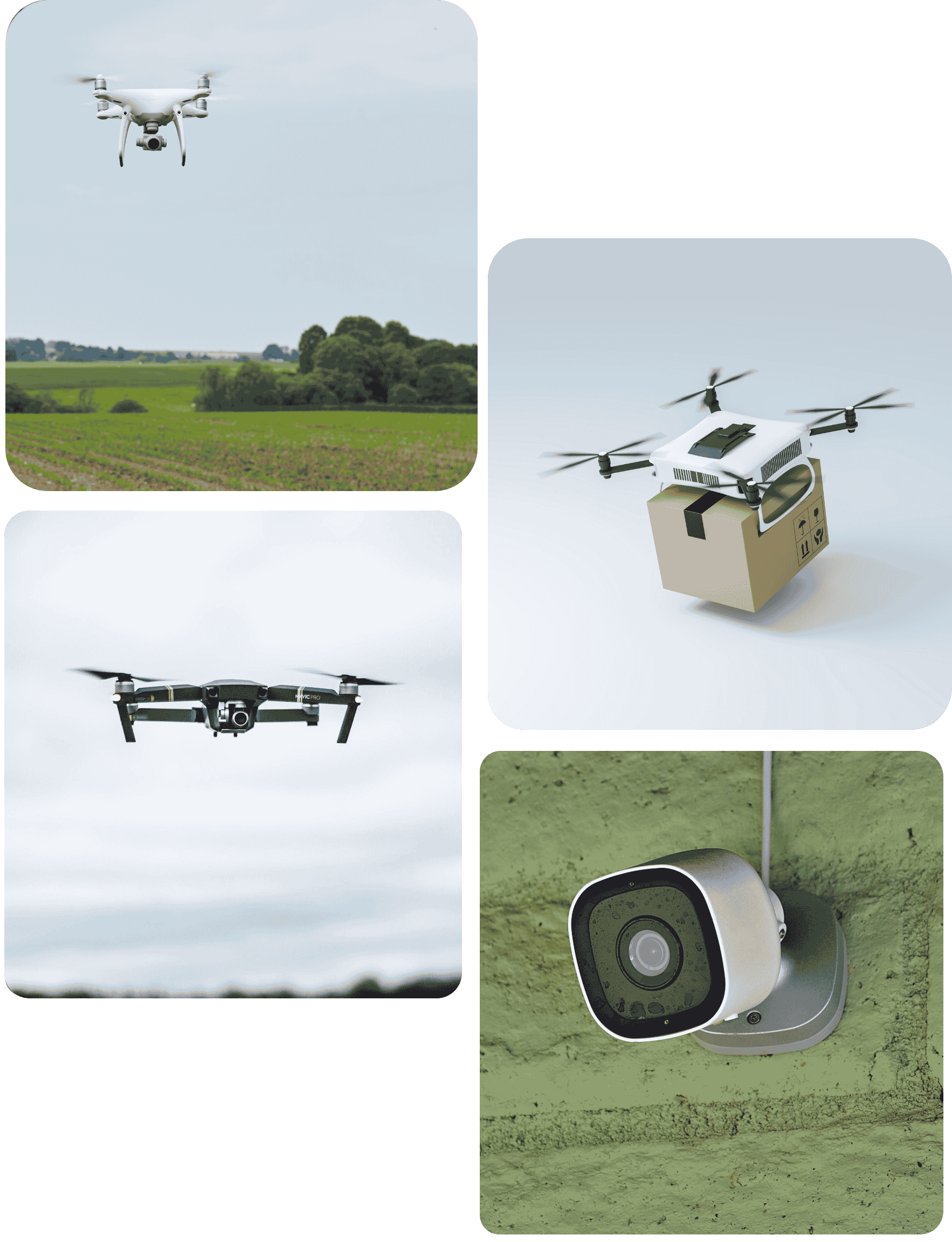
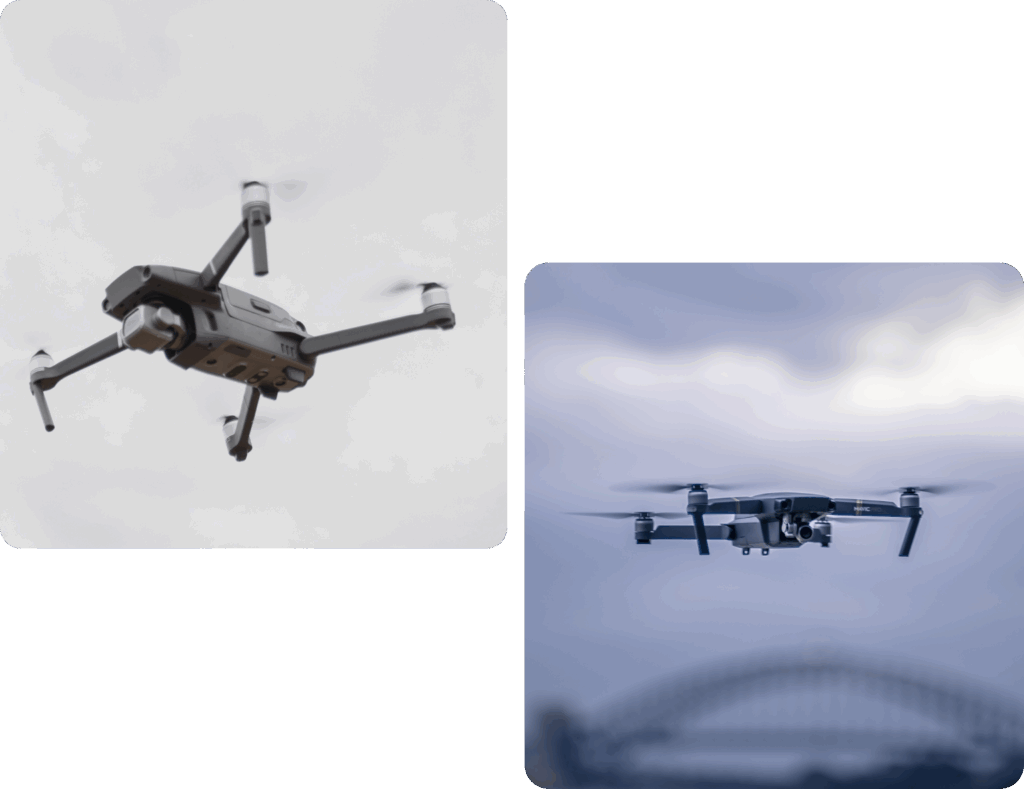
A drone is an aerial vehicle that operates without an onboard human pilot, often controlled remotely or autonomously using GPS, sensors, cameras, and AI.
TEAMLIFTSS
Where Drones AreUsed Today:
Agriculture
Crop monitoring and health analysis (NDVI imaging)
Precision spraying of fertilizers/pesticides
Field mapping and irrigation planning
Reduces resource use and increases yield
Logistics & Delivery
Last-mile delivery (e.g., Zipline, Amazon Prime Air)
Medical supply transport in rural/remote areas
Warehouse inventory scanning (indoor drones)
Public Safety & Emergency Response
Search and rescue in disaster zones
Surveillance during large events or protests
Real-time fire monitoring (thermal drones in forest fires)
Infrastructure & Construction
Site inspection and progress monitoring
Bridge and tower inspection without scaffolding
3D mapping and modeling using photogrammetry
Defense & Security
Surveillance and reconnaissance
Border monitoring
Combat drones for strategic operations
Anti-drone systems are also emerging
Media & Entertainment
Aerial cinematography for films, sports, and events
Live streaming and drone light shows
Real estate marketing with aerial views
Environment & Research
Wildlife tracking and anti-poaching surveillance
Glacier and forest monitoring
Marine and coastal surveys
Teamliftss
Emerging Trends in Drone Tech
AI & Machine Learning for real-time decision-making
BVLOS (Beyond Visual Line of Sight) operations approval expanding
Drone-in-a-box systems for automated missions
Hybrid drones with extended flight time (gas/electric)
Urban Air Mobility (UAM): Drones evolving into air taxis.
Emerging Trends in Drone Tech:
AI & Machine Learning for real-time decision-making
BVLOS (Beyond Visual Line of Sight) operations approval expanding
Drone-in-a-box systems for automated missions
Hybrid drones with extended flight time (gas/electric)
Urban Air Mobility (UAM): Drones evolving into air taxis
Benefits of Drone Adoption
Fast, flexible, and cost-effective
Minimizes human risk in dangerous environments
Data-rich and high-resolution insights
Accessible in remote, rugged, or disaster-hit areas