
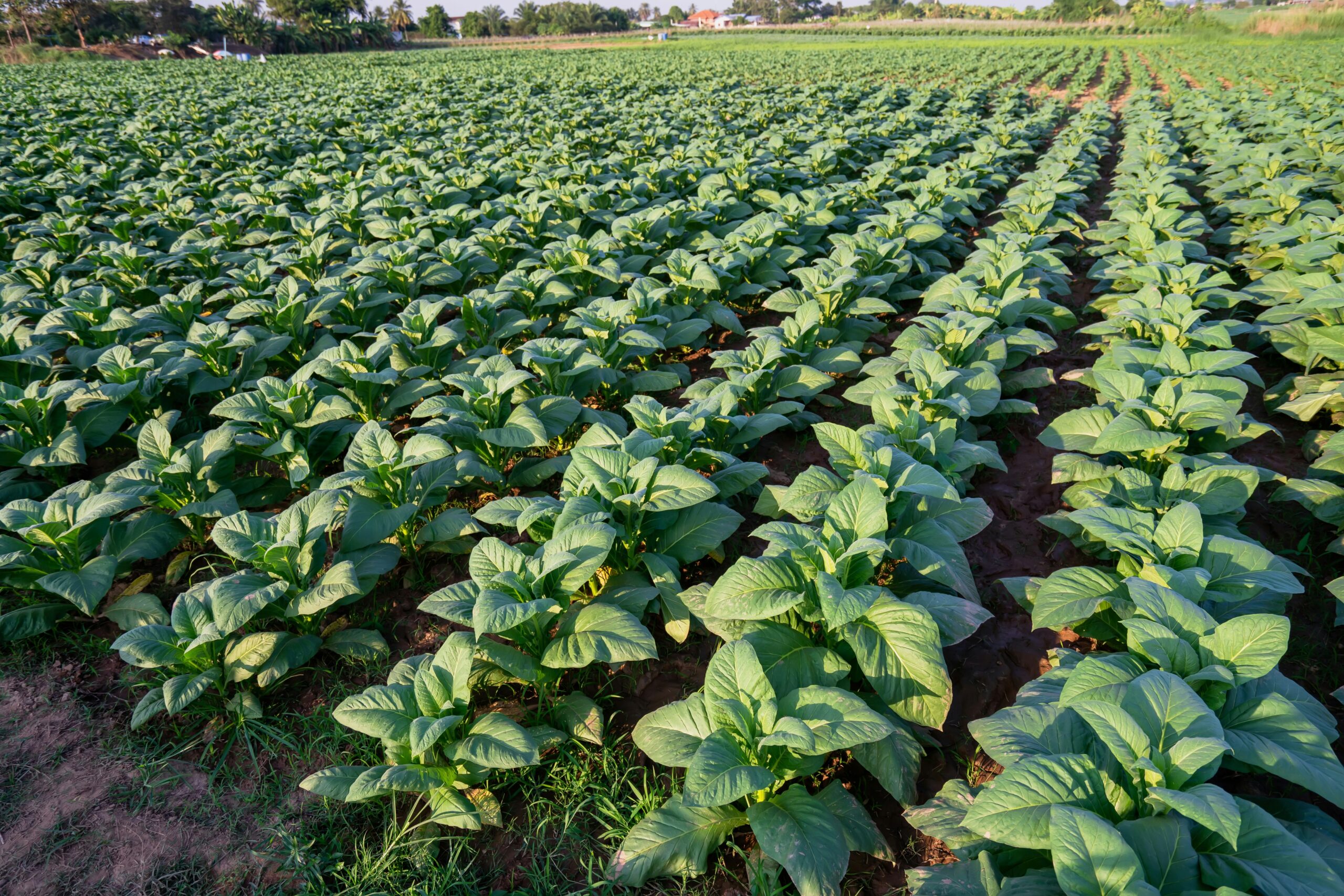
Green Leaf Tobacco Trolley Tracking at Feed Point in the Manufacturing Area Using RFID Technology.
Customer
Abstract
This contribution deals with the business value of radio frequency identification (RFID) technology in the TOBACCO Industry.
We present a case study of an RFID project at three of their Manufacturing & threshing Lines .
The Project shows that operational efficiency gains through the automation of in feeding of the raw Tobacco leaf in the threshing processes, and capture of date and time of Feeding of the Raw tobacco into the conveyors by the operators and ensuring the right Tobacco grade is being fed by the operator at the right speed in order to achieve the planned and desired blend of threshed Tobacco a key ingredient in making of cigarettes.
RFID enables to monitor the quality of the Tobacco and the operational efficiency during the manufacturing process. In addition, the analyses of the gathered data on the manufacturing floor help to close the “data void” between the Raw Tobacco to the threshed Tobacco processes.
The RFID data analyses allow for deriving valuable information for the manufacturing department management in the areas of Feed Rate Of Tobacco, Operator Efficency, Error Proofing, Quality Control Of End Product, Product Information Management to the Supervisors and the Operators in the manufacturing floor.

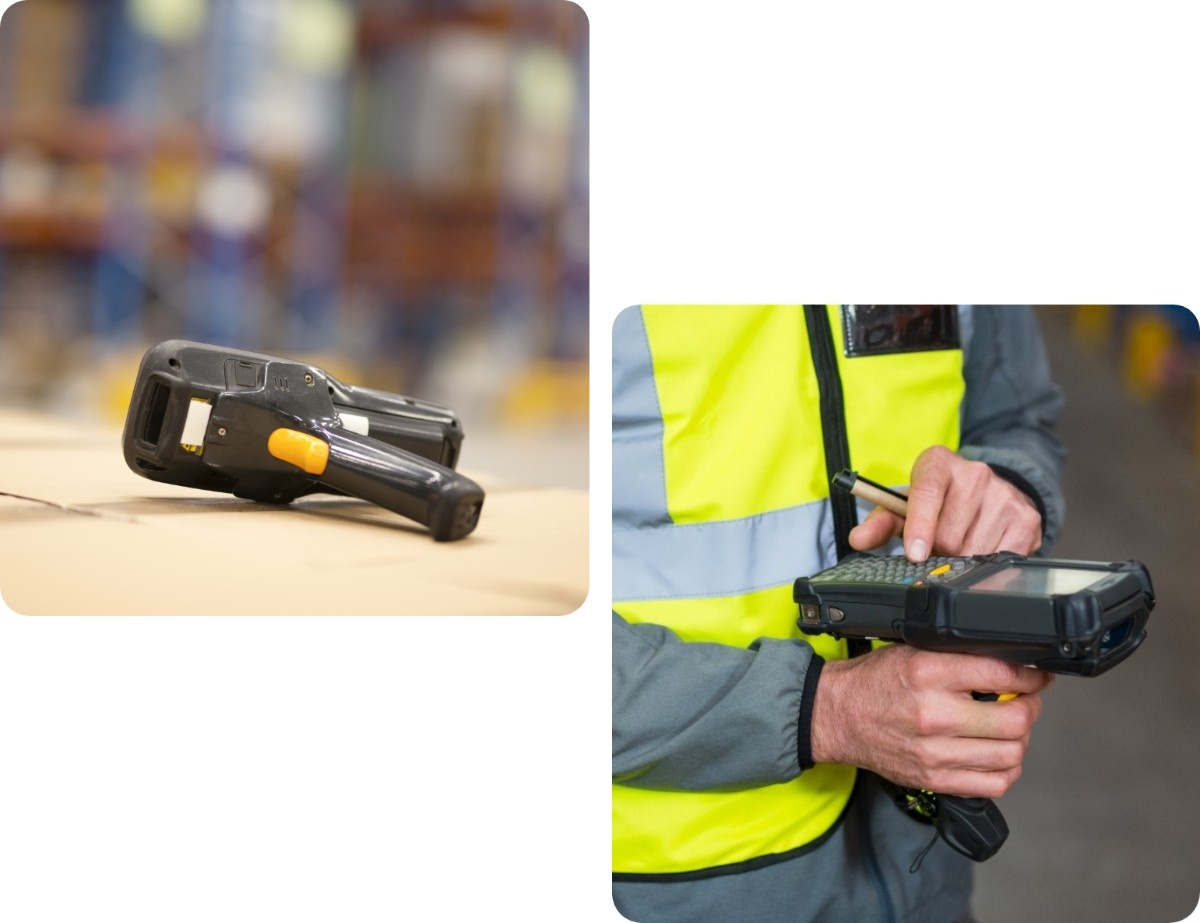
Radio Frequency Identification (RFID) technology has attracted an enormous interest as a successor for the barcode. Despite broad standardization activities, numerous research projects, high-publicity pilot projects, and mandates the intense debate regarding the benefits to be expected still continues. While savings through operational efficiency gains on the level of individual processes through automation are proven, the limitation of the application potential
of RFID on automating effects does not reflect the business value potentials of this technology. Integrated RFID systems enable the collection of fine-granular, real-time information about physical processes in the manufacturing line, which cannot be observed and gathered with conventional approaches. Moreover, RFID enables the redesign of the manufacturing process in a much effective and efficient manner and the benefits of the system can be easily measured.
Regarding production of Threshed Tobacco it is ultimately the quality of the Tobacco that is being produced matter the most as it the main constituent of a finished Cigarettes and the quality enhances the Brand value against stiff competition of smuggled or imported cigarettes.
In order to achieve the desired quality of the Threshed tobacco at the production end various parameters are to be considered along with the feeding proportion and timely inputs has to be closely monitored to achieve the correct Blend planned by the production department.
This could not be practiced and monitored easily due to various constraints and hence a system was looked into. In this regard, feeder end input quantities and time of feed and period of feed etc, were taken into account and an RFID based system was designed and developed.
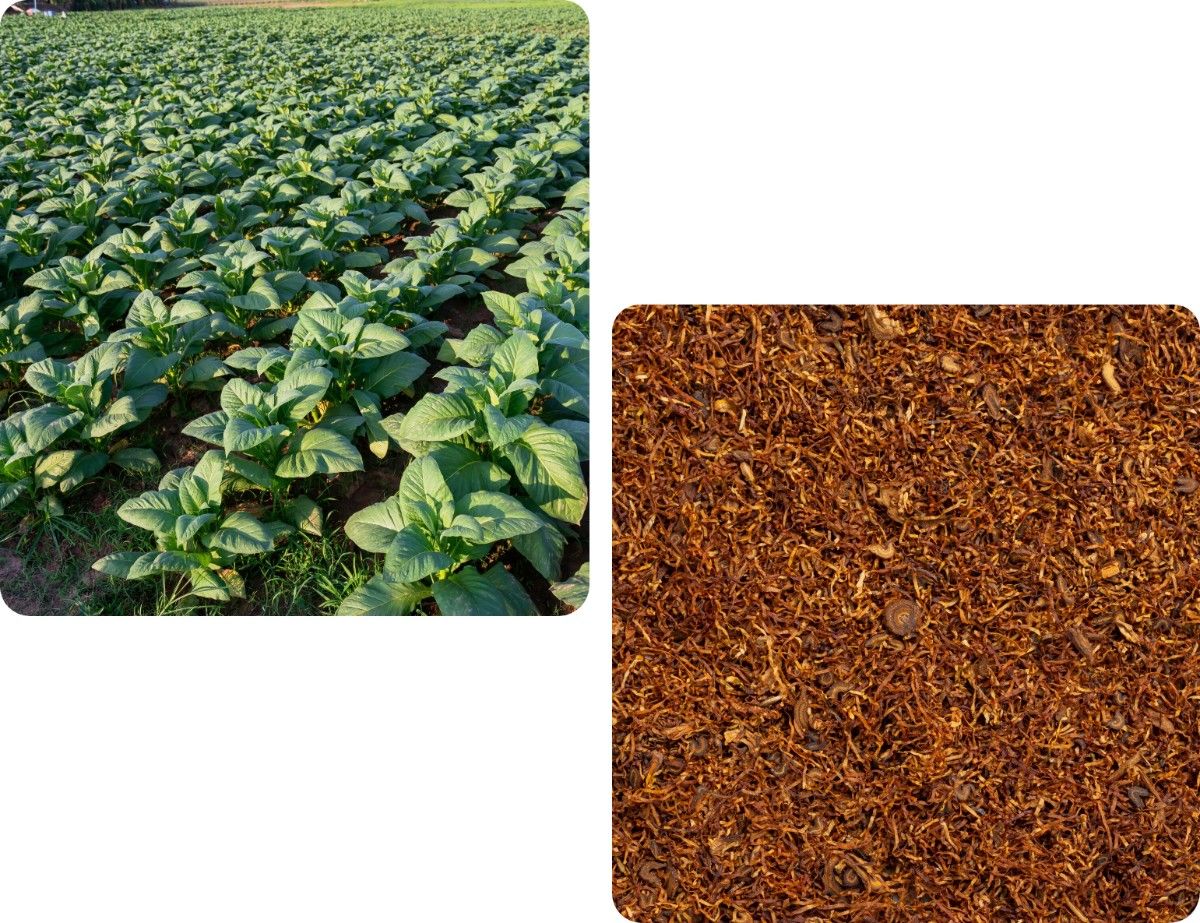
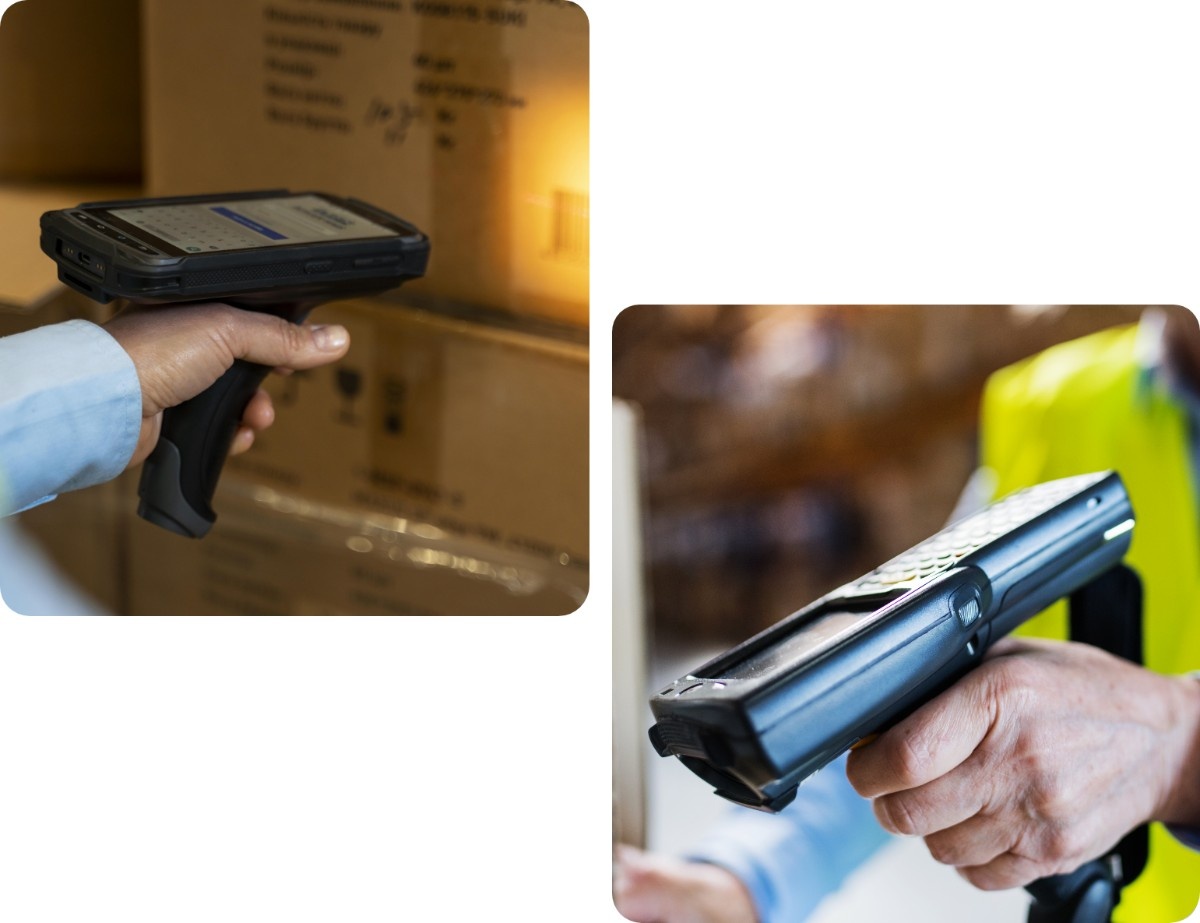
For this purpose, 3000 Bale carrying Trolleys items were RFID tagged and Fixed Mount RFID Antennas and Readers were positioned at strategic points for RFID BALE/ Trolley Tag scanning and data capture .A typical Threshing Plant line consists of FIVE or more Conveyor Lines with each conveyor having FOUR FEED END POINTS for feeding of RAW Tobaaco leaves which goes into various processing operations to produce the required end product namely the CUT tobaaco for Cigarrettes
At Each FEED POINT location an RFID ANTENNA connected to a FIXED MOUNT READER is positioned at the tipping point in order to scan the BALE/ TROLLEY RFID TAG containing the information of the BALE of RAW Tobacco. The Readers are connected to a back end application which controls and collates the data received from the readers . Alerts and Alarms through Tower lamps and Buzzers were activated through PLC based system integrated with the BALE/ Trolley Tracking Application. The alerts and alarms were put in place to ensure that the Operator is not making any mistake in the feeding operation at the conveyor.
The details of the bale, date , time, operator, speed of the operator etc is captured by the system and analyzed in a central repository. The Data collected was integrated with the back End System and the data generated was published through Dashboards to the Supervisors and Management.