RFID (Radio Frequency Identification) is a transformative technology in today’s world, revolutionizing how we track, manage, and interact with objects and data.
What is RFID?
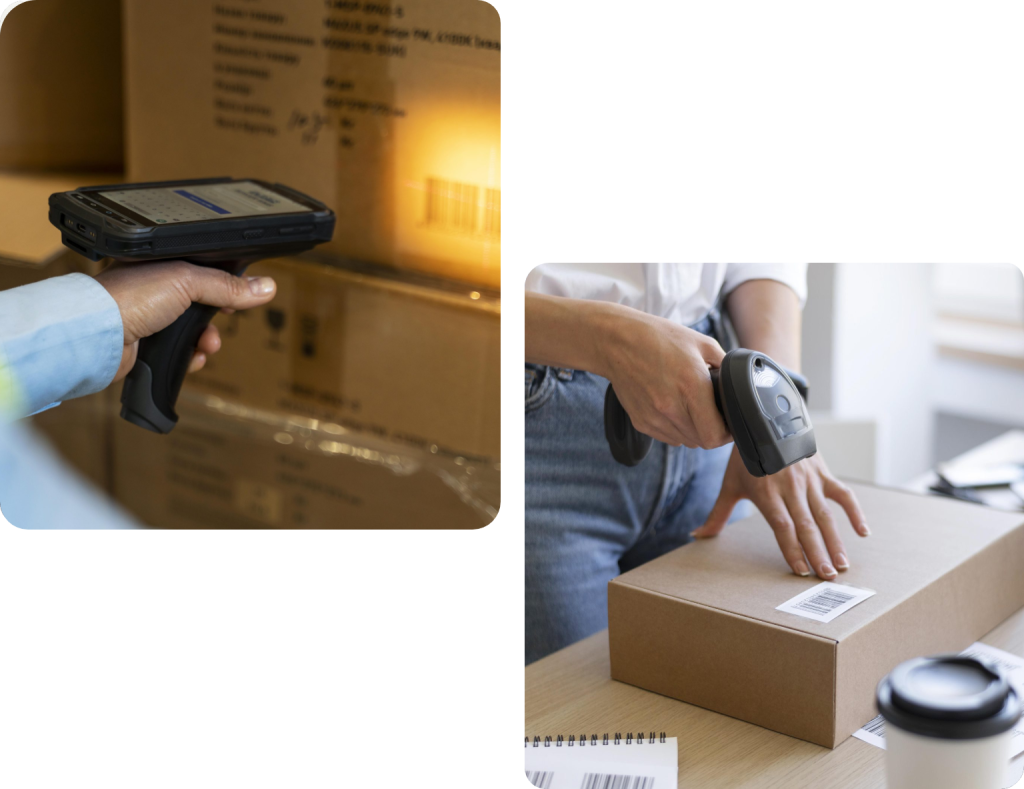
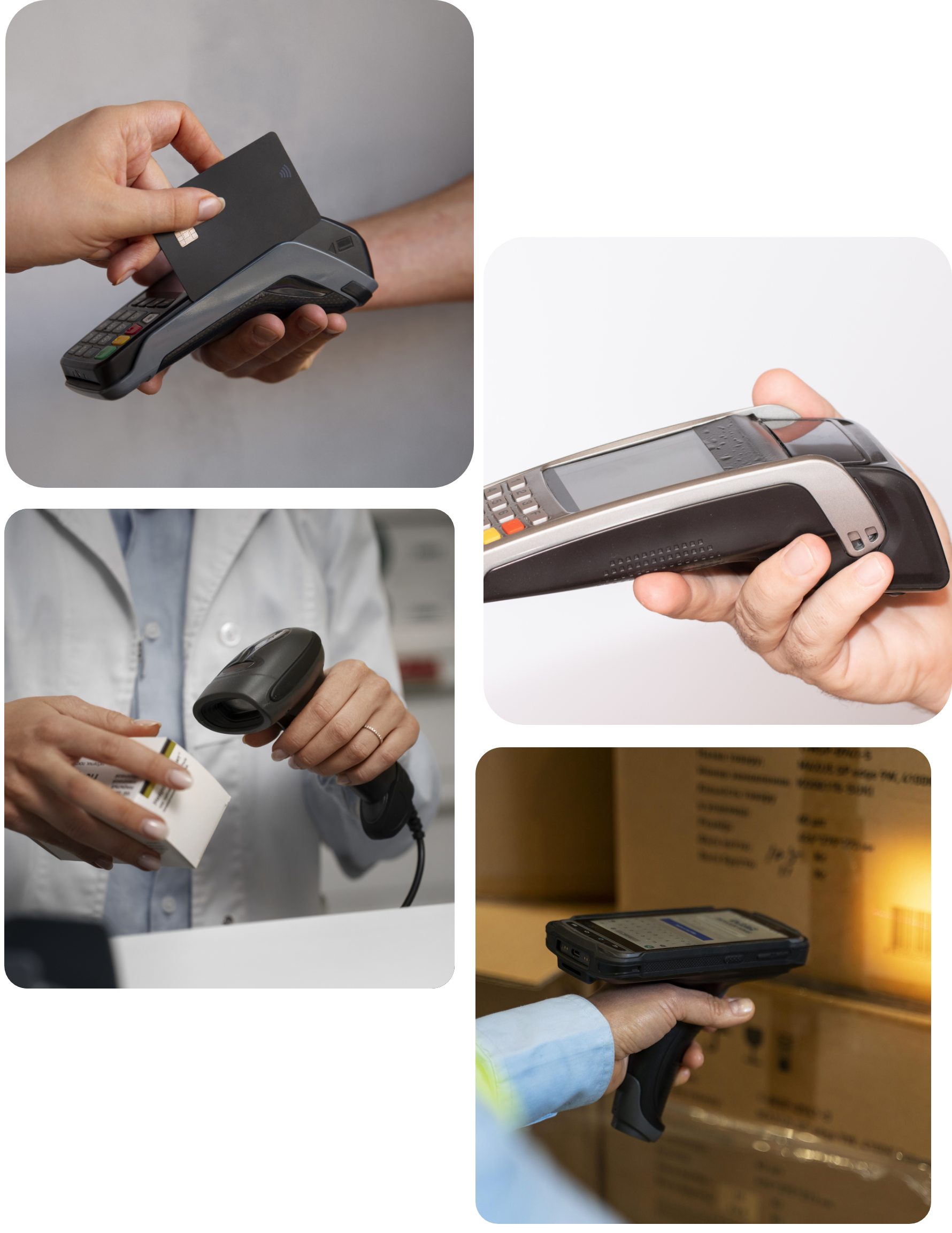
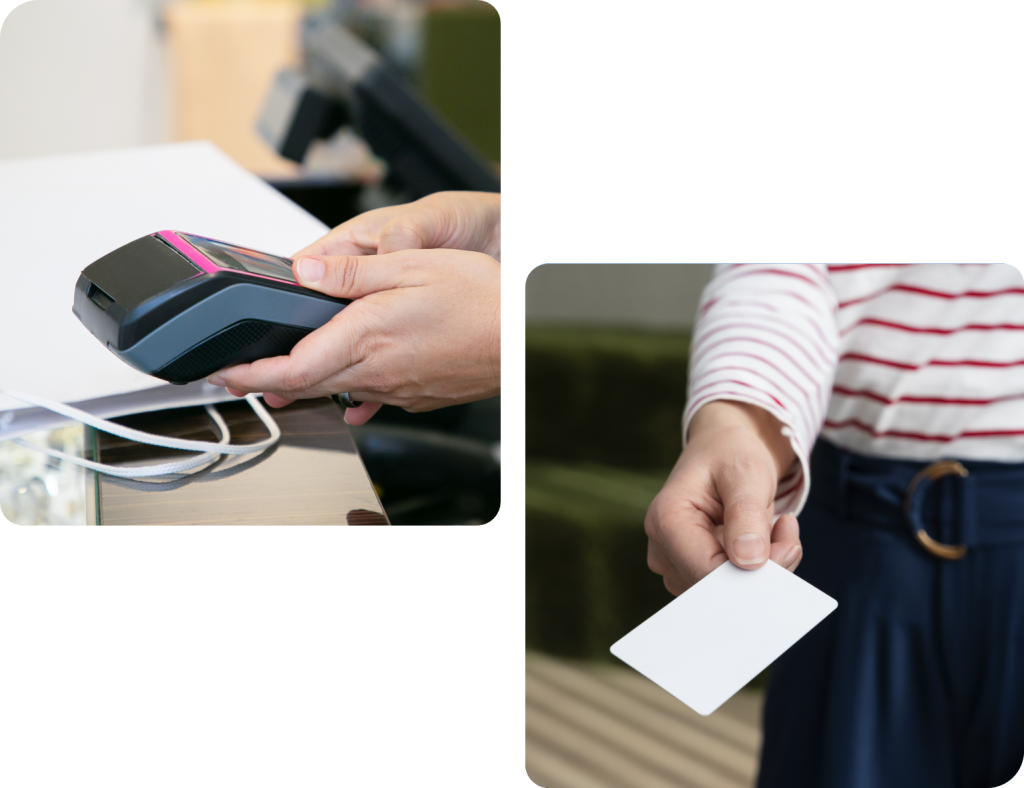
RFID uses radio waves to wirelessly identify and track tags attached to objects. Unlike barcodes, RFID doesn’t require a line of sight and can read multiple tags at once.
TEAMLIFTSS
Where RFID Is Used Today?
Retail & Inventory Management
Real-time tracking of inventory
Automated stock replenishment
Anti-theft systems (e.g., in apparel stores)
Supply Chain & Logistics
End-to-end shipment tracking
Warehouse automation
Faster goods check-in/check-out
Healthcare
Patient and staff ID badges
Tracking medical equipment
Monitoring medication dispensing
Access Control & Security
Employee ID cards
Secure building entry
Vehicle access gates
Transportation
Electronic toll collection (e.g., FASTag in India)
Public transit smart cards
Baggage tracking in airports
Libraries & Education
Automated book checkout and return
Student attendance systems
Asset tracking
Manufacturing
Tracking parts through production
Ensuring assembly line accuracy
Maintenance and inspection records
Teamliftss
Types ofRFID
Passive RFID:No internal power source; activated by reader. (Shorter range, lower cost)
Active RFID:Battery-powered; longer range. (Used in tracking vehicles, containers)
Advantages of RFID over Barcodes
Emerging Trends
IoT Integration:RFID is powering smart shelves, smart factories, and intelligent transport systems.RFID + Blockchain:For secure, transparent supply chains.Nano-RFID:Ultra-small tags for micro-level tracking.