Teamliftss
Robotics in Today’s
Industrial World
What are Industrial Robots?
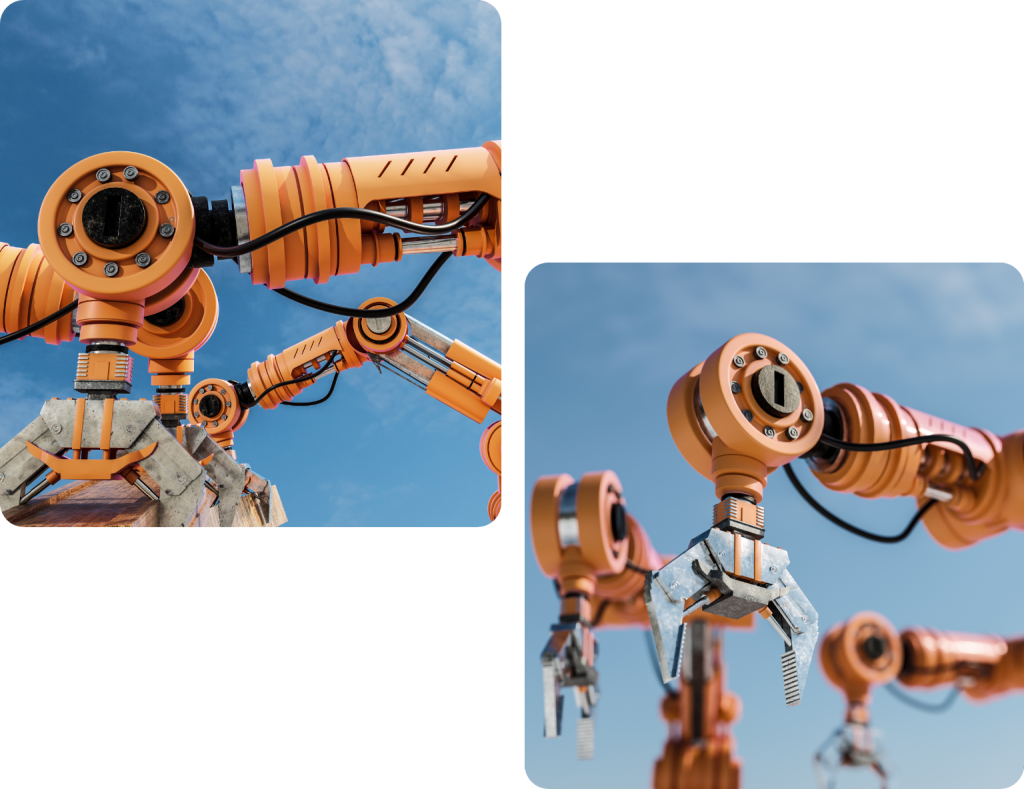
Industrial robots are automated, programmable machines designed to carry out repetitive or complex tasks with speed, precision, and endurance. These robots can be fixed (robotic arms) or mobile (AGVs, AMRs).
Types of Industrial Robots in Use Today:
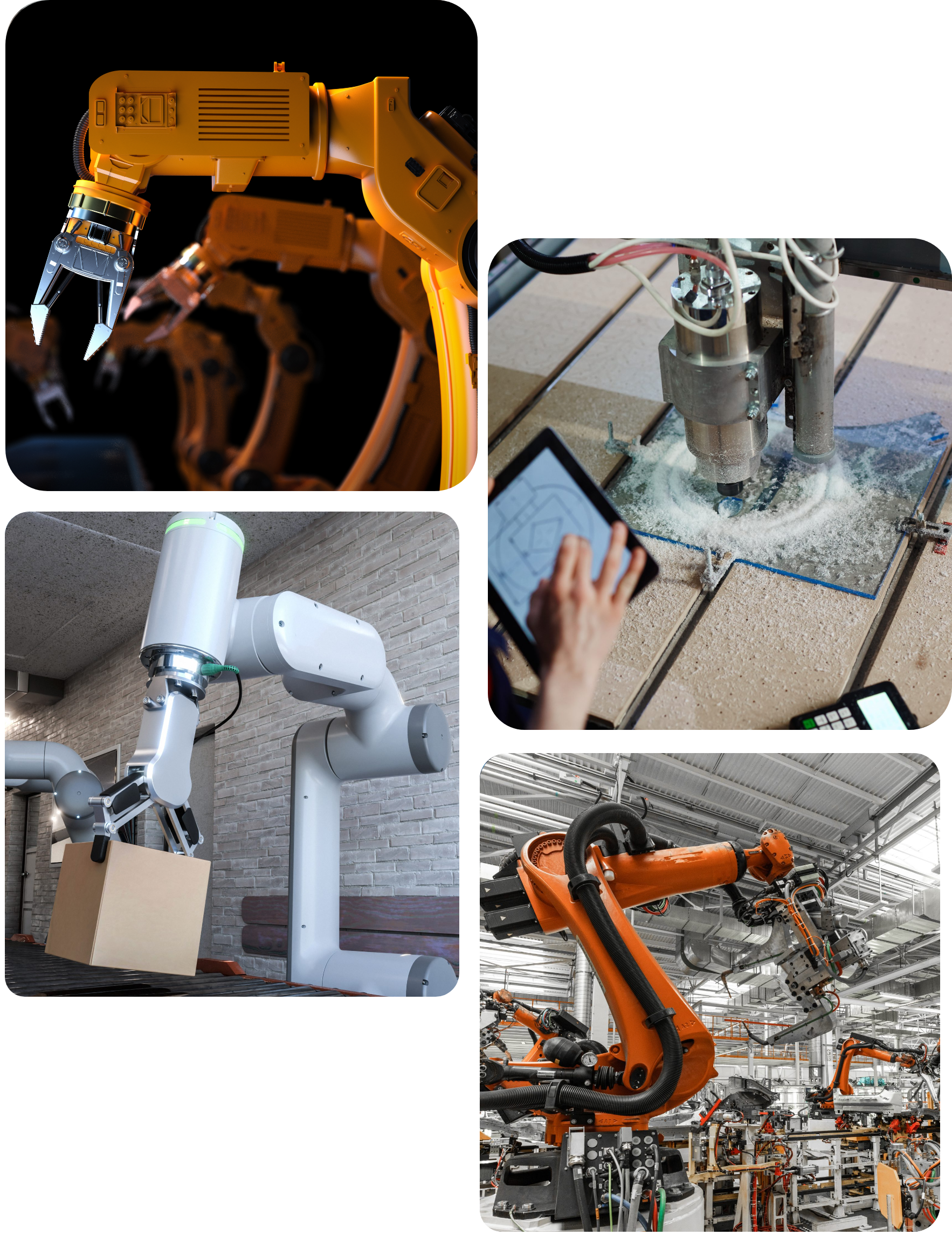
Type | Description & Example Use |
| Articulated Robots | Multi-jointed arms for welding, assembly, painting |
| SCARA Robots | High-speed pick-and-place tasks on assembly lines |
| Delta Robots | Lightweight arms used for fast food packaging |
| Cartesian Robots | Linear motion-based robots for CNC and 3D printing |
| Collaborative Robots (Cobots) | Work safely alongside humans for assembly, testing |
TEAMLIFTSS
Where Robotics Is
Transforming Industries:
Automotive
- Spot welding, painting, and precision assembly
- Engine and drivetrain automation
- Quality inspection with vision systems
Electronics
- Micro-assembly of circuit boards
- Soldering, screw driving, and PCB testing
- Dust-free handling of sensitive components
Pharmaceutical & Medical
- Sterile packaging and handling
- Vial filling and lab automation
- 24/7 drug production environments
Food & Beverage
- Robotic packaging, palletizing, and slicing
- Hygiene-focused automated handling
- Sorting, quality control, and decorating
Metal & Heavy Engineering
- CNC machine tending
- Welding and plasma cutting
- Forging and press operations
Logistics & Warehousing
- Robotic arms for picking and sorting
- Palletizing and depalletizing
- Integration with AMRs for full warehouse automation
Teamliftss
Key Technologies Powering
Modern Industrial Robots:
- AI & Machine Learning – For adaptive learning, object recognition
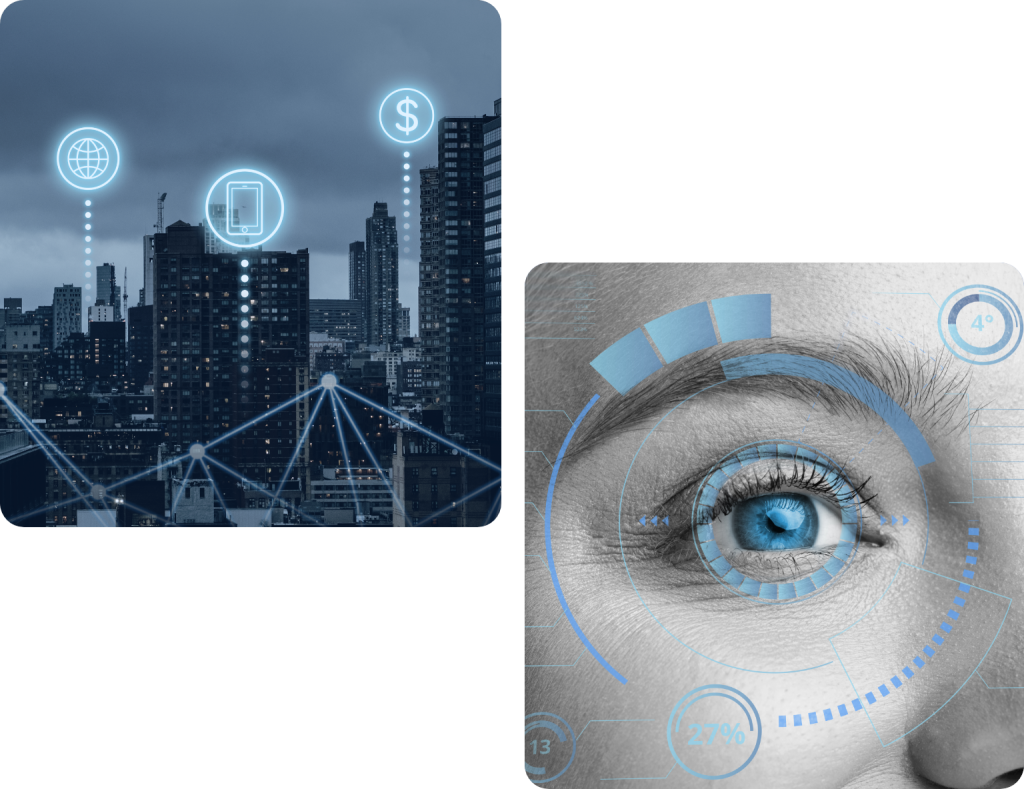
- Machine Vision – For defect detection, alignment, and sorting
- IoT & Connectivity (IIoT) – Real-time data exchange with MES/ERP
- Edge Computing – For fast, local decision-making
- Force/Torque Sensors – To handle delicate objects or variable force tasks.
Collaborative Robots (Cobots): The Game Changer
- Safe to work side-by-side with humans
- Easy to program with drag-and-drop interfaces
- Ideal for small and medium enterprises (SMEs)
- Used in light assembly, quality testing, packaging.
Benefits of Robotics in Industry Today
- 24/7 productivity with consistent output
- Precision and repeatability at high speeds
- Worker safety in hazardous or repetitive jobs
- Reduced labor costs and increased ROI
- Lower defect rates and less waste
- Flexible automation – quick reprogramming for new tasks
Future Trends in Industrial Robotics:
- AI-integrated robots that learn and improve
- Mobile manipulation – robots that move and manipulate
- Cloud-robotics – central intelligence guiding distributed robots
- 5G-enabled robotics – ultra-low latency for remote control
- Robotics-as-a-Service (RaaS) – pay-per-use industrial robots